Founder's Take: A Goncourt of our own?
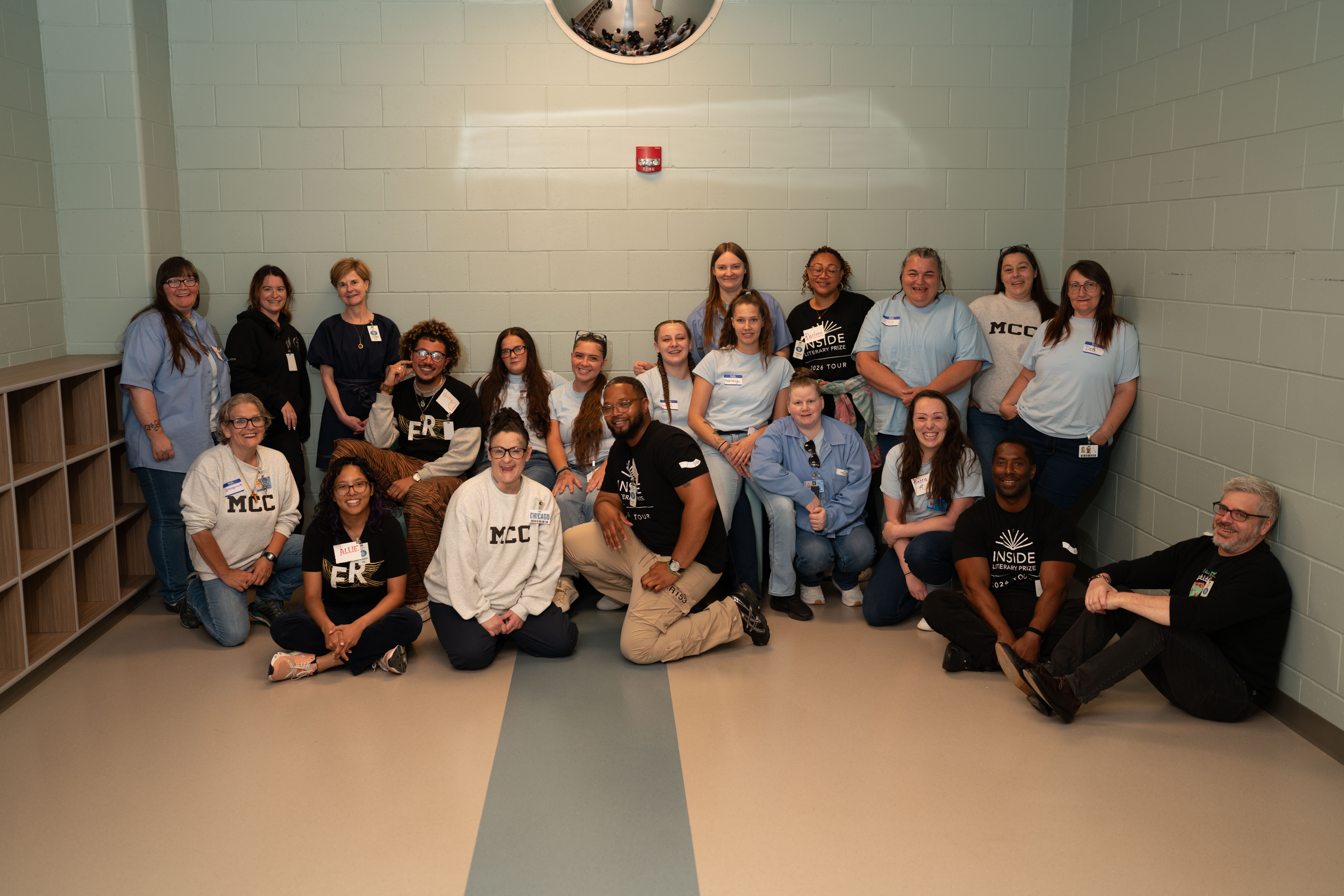
Four people emailed me in December of 2022 about France’s new Goncourt des détenus, a major literary award judged by people serving time in the country’s prisons. One person suggested it, the others were just passing on information. In my head, I demurred each time. Freedom Reads had opened only a handful of Freedom Libraries. Every day was already filled with something fantastically new, and our team was too strained to add another major project.
Continue ReadingThe Disconnect (Part I)
This is the first in a three-part series about my struggles with technology and human connection.
My main fear came from knowing that everything is connected, and pushing the wrong button could cause an unintended consequence I would not be able to undo. My other fear was knowing that nothing I did would be private; all my mistakes would be recorded, no matter how many times I pressed delete. I believed the number of times I hit delete would be recorded. Sitting in front of this powerful and evolving mechanism was as intimidating as standing on a ledge over the entirety of everything.
Continue ReadingInside Literary Prize, Judged by Incarcerated Readers, Announces 2026 Winner
A new book has been named the winner of the “Inside Literary Prize.”
The Book Censor’s Library by Bothayna Al-Essa has won the third annual Inside Literary Prize, the nation’s only literary prize judged exclusively by incarcerated readers, according to a press release.
Here’s the winner of the 2026 Inside Literary Prize.
Today, the Inside Literary Prize, the US’s only literary prize judged by incarcerated readers, announced its 2026 winner: The Book Censor’s Library, by Bothayna Al-Essa, translated from the Arabic by Ranya Abdelrahman and Sawad Hussain.
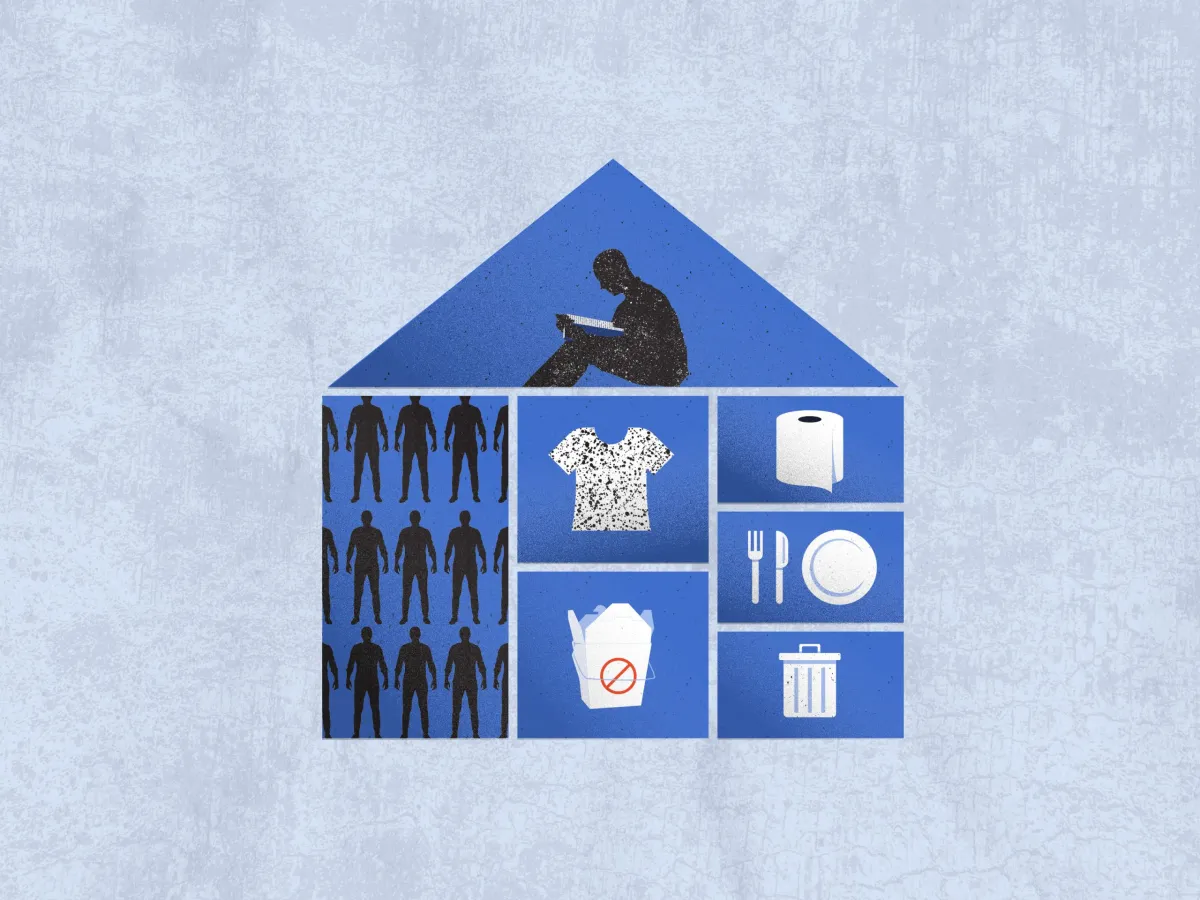
Why a Cellmate is Not like a Roommate
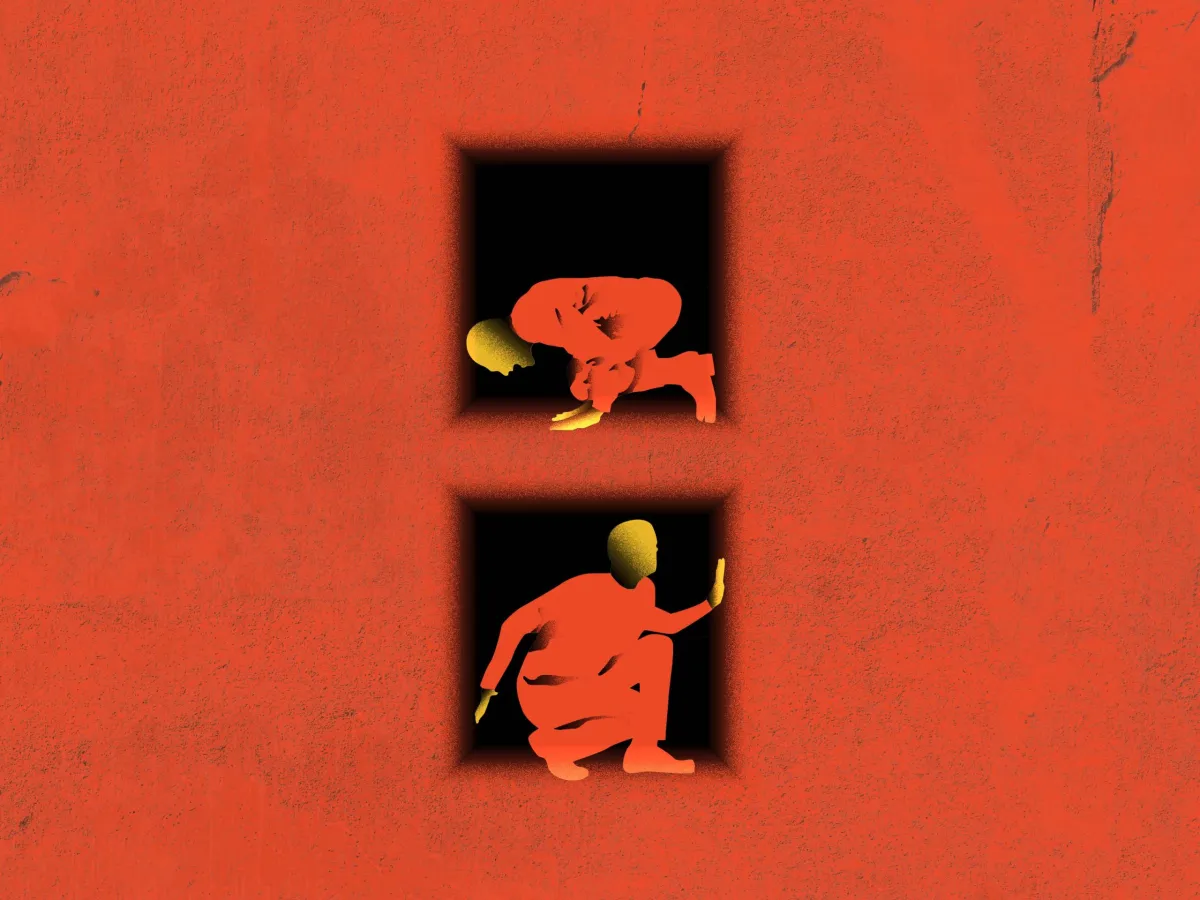
“The prison is like an isolated town with nowhere to go. And the cell is our whole house,” Biktor B. writes, adding that this “house” is shared by complete and often incompatible strangers, who have next to nothing in common.
What Is it Like to Live in a Halfway House?
Kashawn Taylor writes about the expectations and realities of living in a halfway house after leaving prison, noting “it feels like freedom, with an asterisk.”
Latest Episode
The Past's Presence: Jesmyn Ward
In today’s episode, Jesmyn Ward reads from her third novel, Sing, Unburied, Sing, which is at once a bildungsroman, a ghost story, an epic, and a road novel. In portraying the suck of Parchman Prison on the generations of one Mississippi family, Ward deftly explores how the real threat of incarceration haunts these psyches and, in turn, these familial relationships. In this moving conversation, Ward reflects on living with grief, on listening for communications from beyond our immediate reality, and on the central commitments of her work: to restore agency to the kinds of characters too often denied a voice—and to grant acceptance to the ones harder to forgive. (July 26, 2021)