May 2026 Newsletter
Mental Health Awareness Month
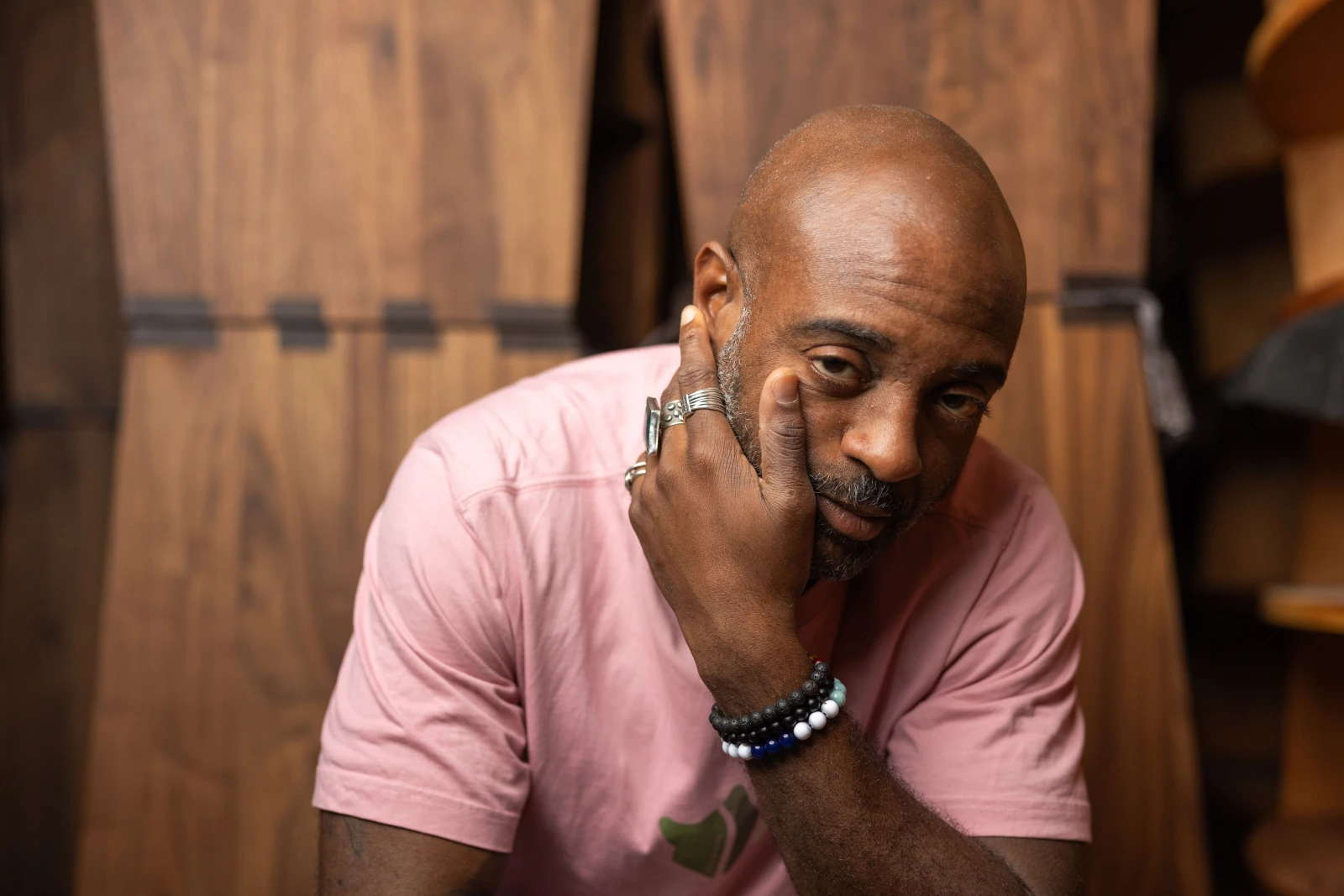
The thing about suffering is that when it’s over, you sometimes forget the depth of the cave you’re still emerging from. And by suffering, I mean depression. By depression, I mean 2024 when I found myself spiraling down a staircase that led me through all of Dante’s hells. A different way for me to admit this is to confess again: the best thing that you can do when hurting is find someone to talk to, but sometimes, the need to ask for help masks itself. You believe you’re asking for a life raft, but never articulate the word help. You emote. You weep. You learn what taciturn means. Around you, too often, people see your pain and it troubles them. They run to their comfort.
Let me say it clearly. I was in a meeting with a district attorney advocating for someone’s freedom. There were four lawyers in the room and I was one of them. I wore a bright yellow MLK hoodie that I’d worn weeks earlier while crossing the Edmund Pettus Bridge barefoot in a downpour with tears racing down my face. But that’s a different story. On that afternoon, I was presenting to the world as a confident lawyer, one who even had a Yale Law degree. I’d gotten a handful of people out of prison and was hoping to get another man freedom to make myself feel better about the hurt I wore like my state number. During the conversation, I slipped up and confessed something that kicked open the door to who I really was: a man barely holding it all together.
Later, one of the lawyers in the room called me. Not to talk about my case, but to say that he’d heard what I said. To tell me how important it was for me not to disappear. And that tears well up in my eyes as I remember the call makes me remember how I needed that call.
At the end of Invisible Man, Ellison writes that the unnamed narrator was an invisible man simply because people refused to see him. Well, I was drowning, and this brother, who had all kinds of responsibilities that didn’t include calling me, picked up a phone and said he was an ear for me to bend if ever there was another drowning night.
May is Mental Health Awareness Month, but maybe every month should be, as we walk and ask ourselves if we’re all okay, in this world where many of us accumulate more sadness than joy.
When I started Freedom Reads, I didn’t understand that our mission was about mental health. As if I don’t remember breaking my hand once on a cell door, as if I’ve forgotten every piece of evidence in my memory of prison being a catalyst to the worst mental health breakdowns I’ve witnessed.
We’ve walked into prisons and visited so many who’ve not had visitors see them, who’ve not had strangers insist on seeing them. We show up on the cellblocks where they sleep, where it is often the loneliest place on earth. We show up with an abundance of literature and beauty never before brought into these institutions. Many of us know the desperation so intimately that it’s a wonder we’ve done this now more than 600 times, walked into prison cellblocks bringing beauty and books in the shape of handcrafted and well-stocked Freedom Libraries.
Sometimes, I think we do this work because we’re the only people who understand. Then I think of the lawyer who called me. So many of us understand what it means to need an outstretched arm.
If you believe like many of us do, that freedom begins with a book, you should know that being mentally well is a necessary condition of freedom. I hope you support us this month and all the rest, as we transform these places of sorrow one Freedom Library at a time.
By Autumn Gordon-Chow, Senior Communications Associate
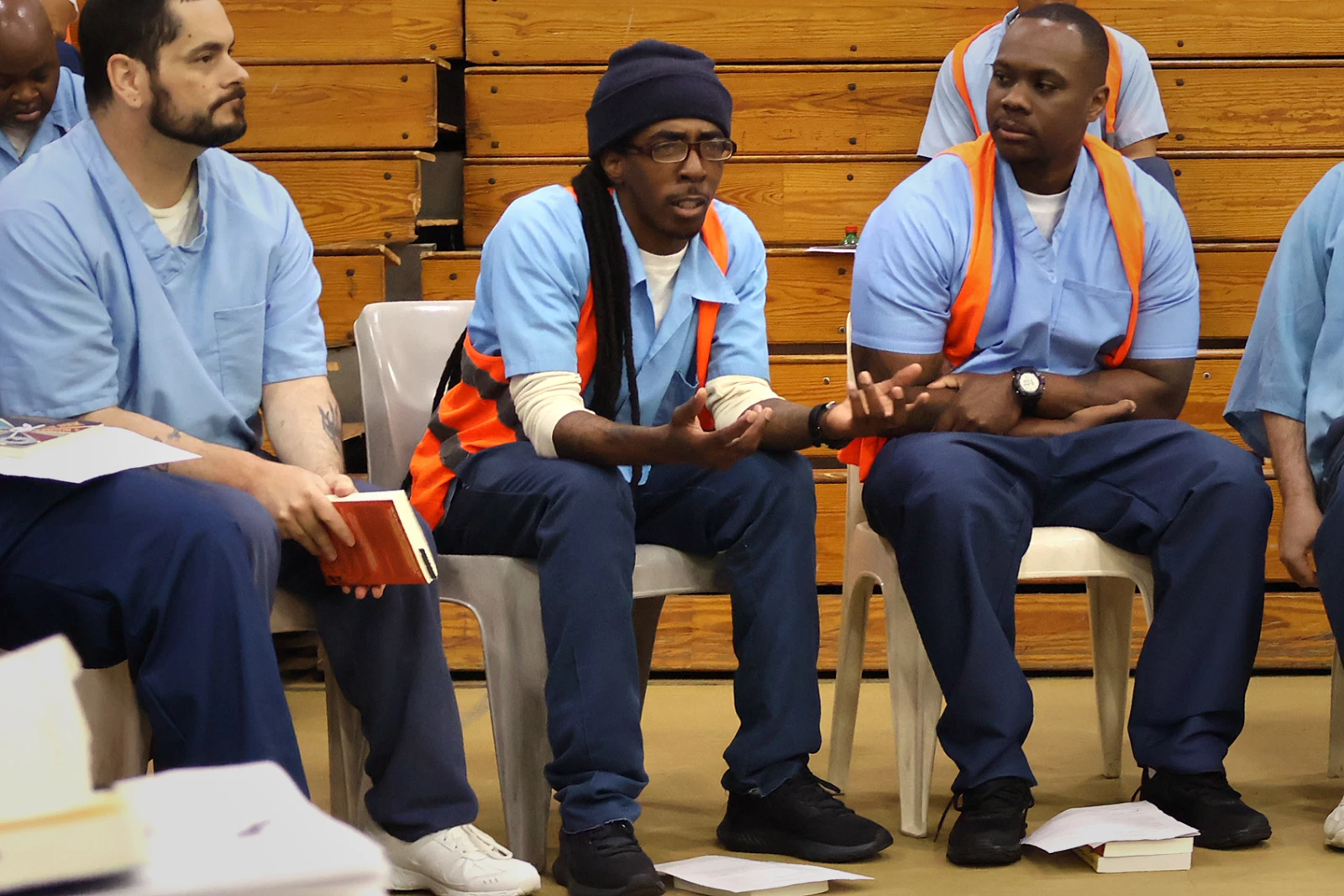
He looked at me and said, “Thank you. Thank you for looking me in the eyes. No one looks me in the eyes. Thank you for giving me the opportunity to connect with the outside world.” This is how Dy’shawn, Inside Literary Prize judge at Shawnee Correctional Center, shared his appreciation for the opportunity to participate in the only US literary competition judged exclusively by incarcerated readers.
By Jimmy Flynn, Library Production Associate, Freedom Reads
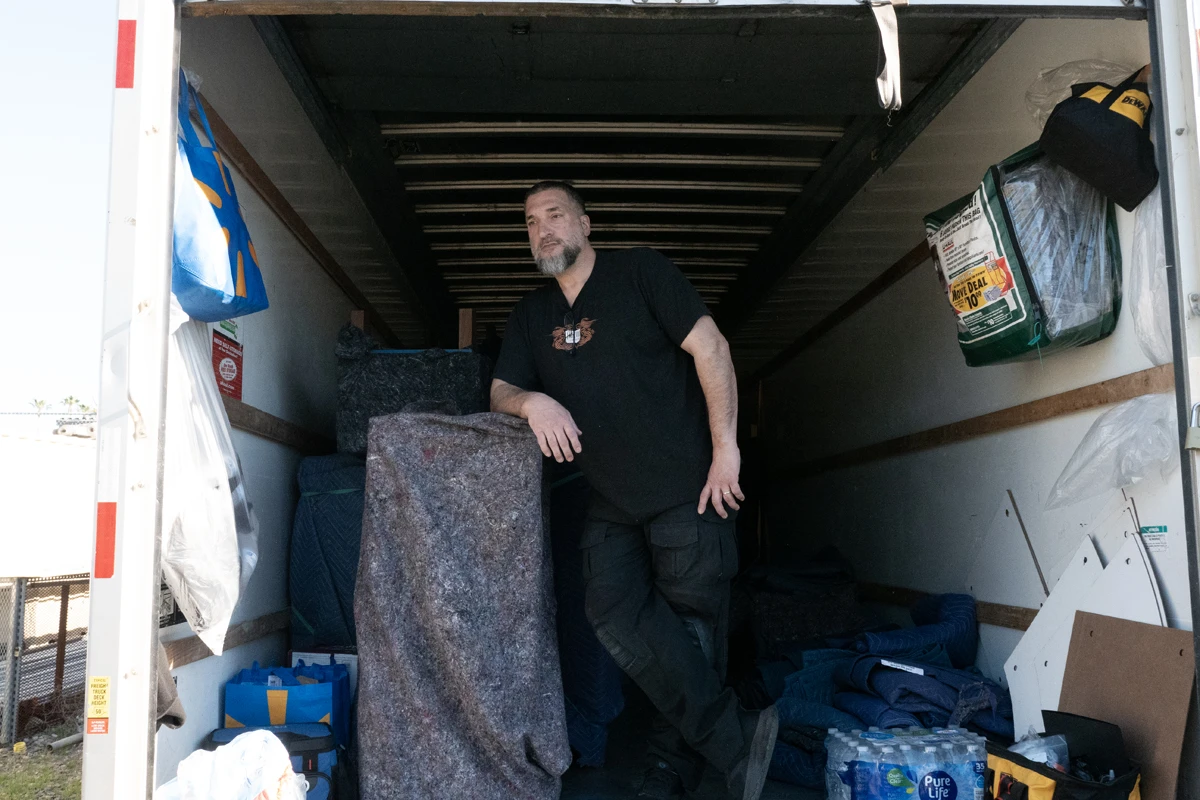
Library Production Associate, Jimmy Flynn, drives for Uber before dawn — and uses every ride as a chance to share Freedom Reads’ mission. Here's what happens when strangers hear about it.
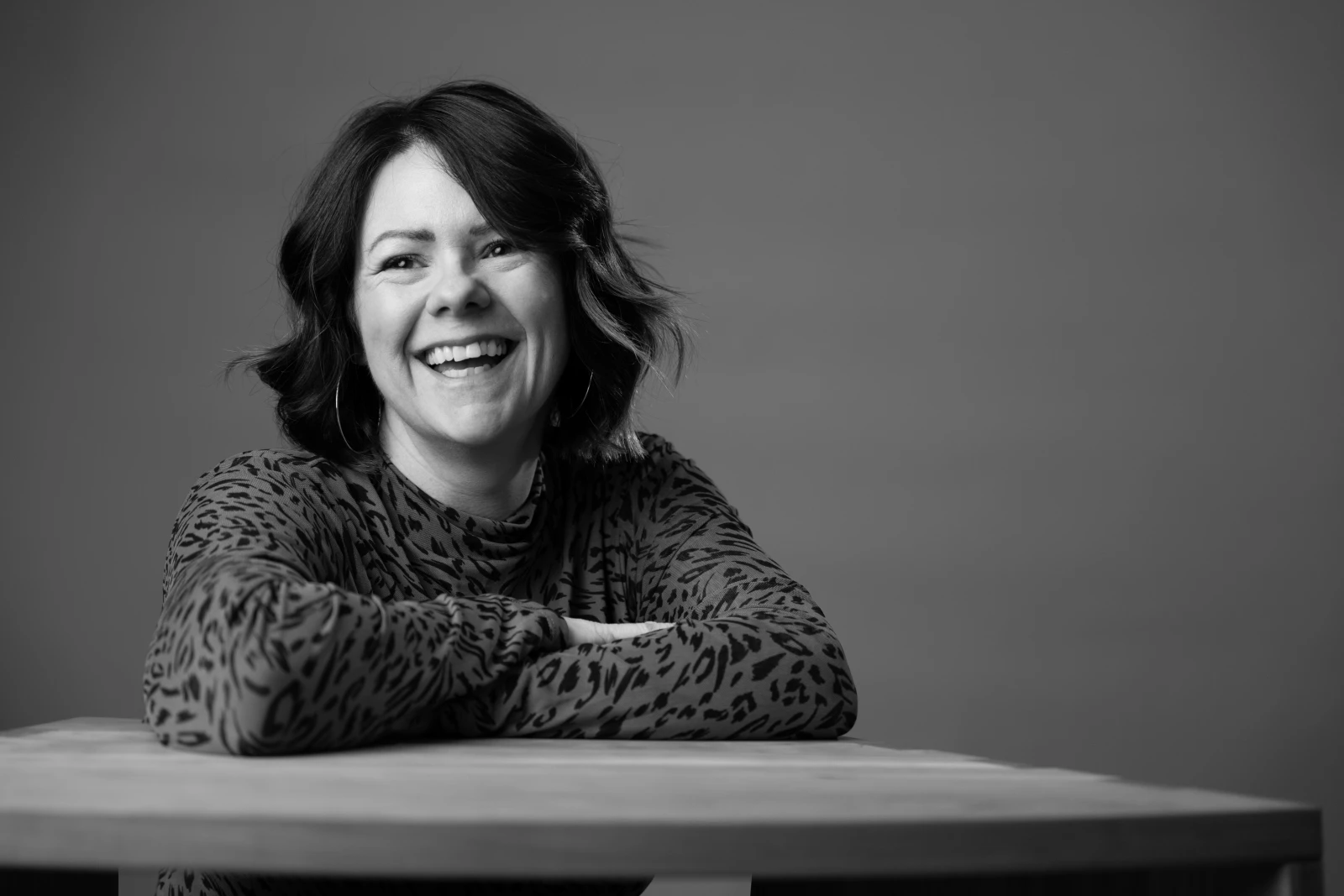
Meet Autumn, Senior Communications Associate at Freedom Reads. Autumn is a storyteller and brand champion and she puts those talents to work every day through branding strategy and oversight. From crafting press releases and media advisories to shaping our editorial strategy, her days are spent making sure the voices of people Inside reach the world outside.
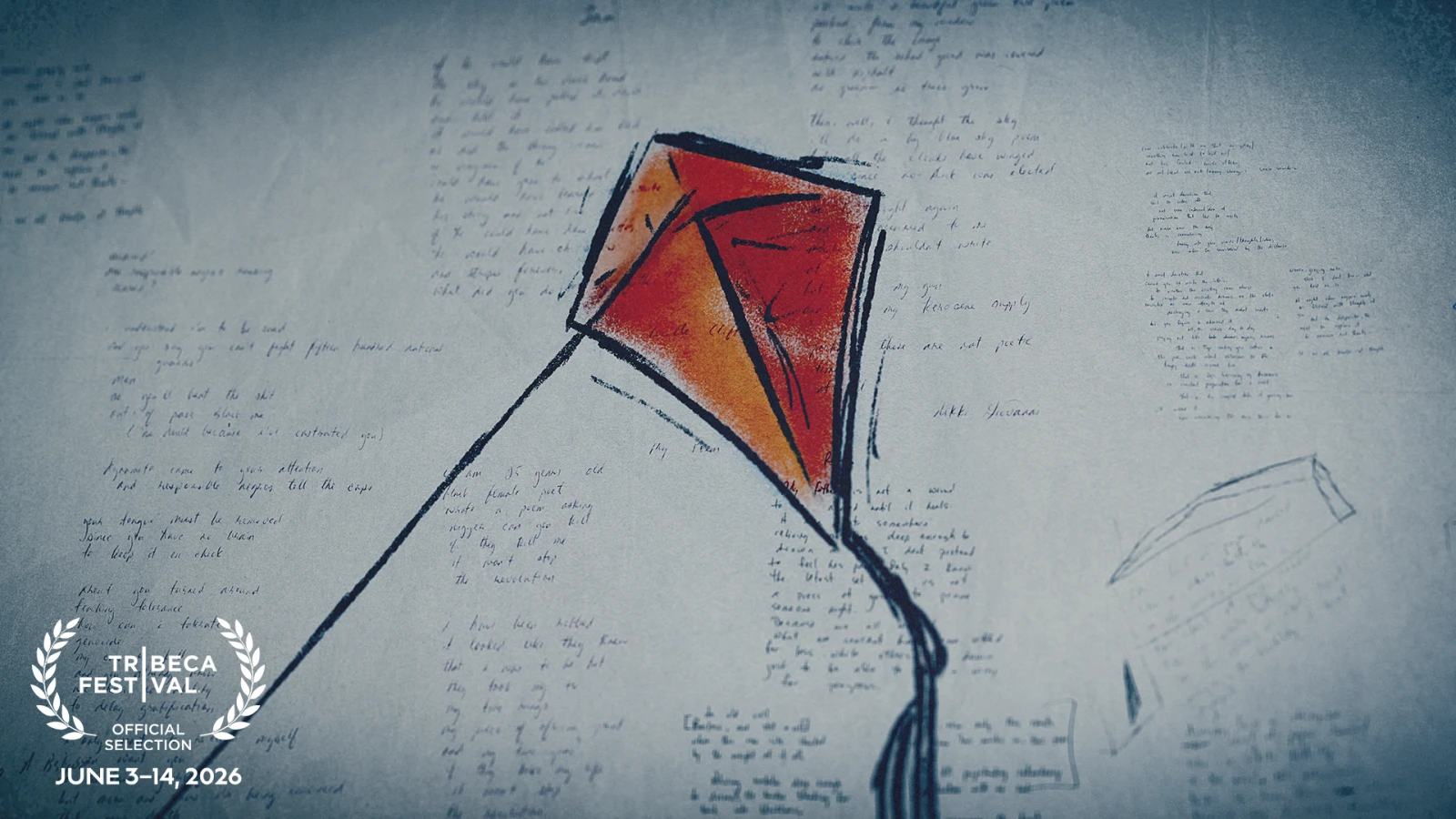
The documentary we've been waiting for is premiering in just two weeks! Tickets are still available. Visit the film's new website to learn more, watch the trailer, and grab your seats before they're gone.
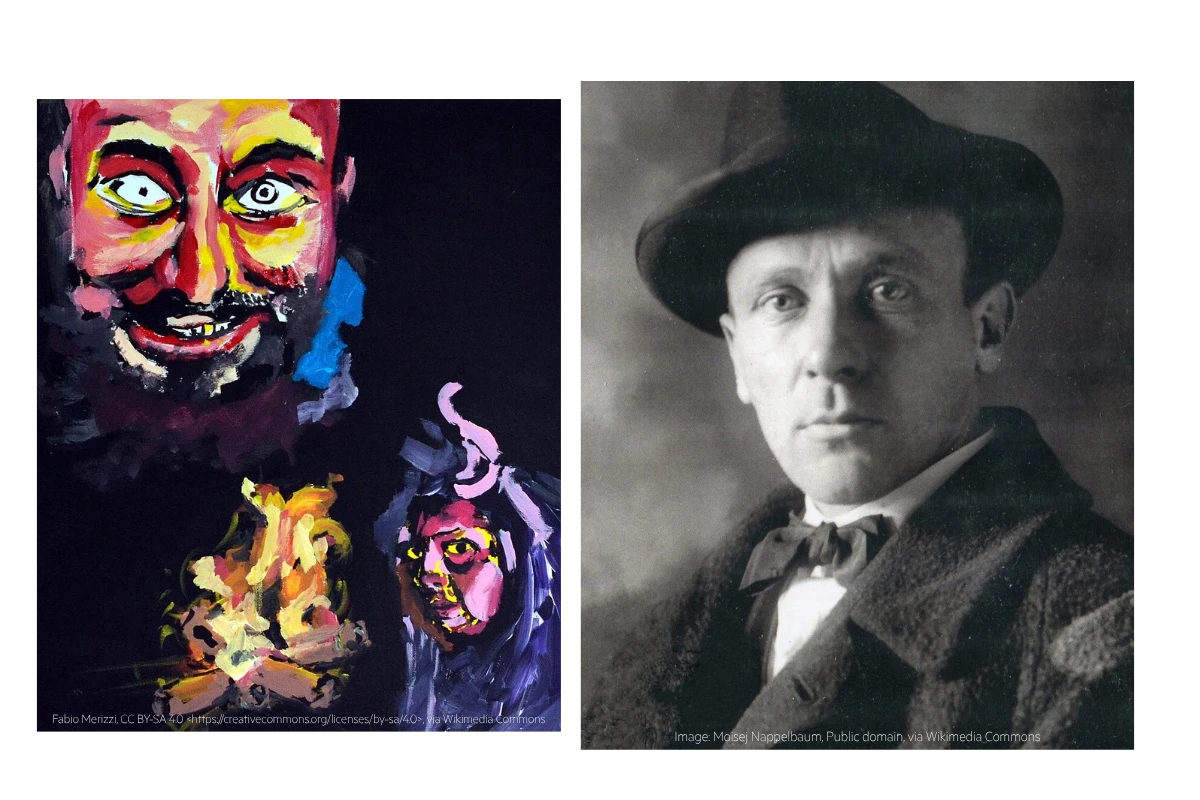
Mikhail Bulgakov was born on May 15, 1891, in Kyiv. The Master and Margarita, his most celebrated novel, was written in secret during Stalin's Soviet Union and never published in his lifetime. A darkly comic masterpiece, it follows the Devil's chaotic visit to Moscow alongside a parallel story of Pontius Pilate and Jesus — a bold, defiant work from a writer who never stopped creating despite censorship and surveillance.
Each newsletter we aim to share at least one letter (or excerpt) from one of Freedom Reads’ now 65,000-plus Freedom Library patrons. Freedom Reads receives many letters from the Inside. They mean so much to us. And we respond to each and every one of them.
“I'd like to express my gratitude for being a part of this experience. At times, I’ve wondered when it comes to prison programs and such if the sense of gratitude simply comes from being deprived of any real sort of stimulation, say of the soul, and we are grateful for any sort of that. But I don't believe that in this instance that is the case. I am grateful for being part of something that is so much bigger than myself and something that truly affects the lives of so many others.”
Michael, Inside Literary Prize Judge, Shawnee Correctional Center, Illinois
“I picked out 1 book so far and I feel as though I picked out a treasure. I picked, "A Raisin in the Sun" by Lorraine Hansberry. Everyone seems interested in a new way you rarely see. I'm not very educated and I think that can make someone nervous to learn. I will only be here a few years but I hope to read quite a few of the books you provided us with. They are so appreciated that I only got 1 at a time and will be sure to pass it on or put it back. Had it not been for Freedom Reads while I was in intake, I may never have seen some of these titles.”
Samantha, Freedom Library Patron at Logan Correctional Center, Illinois