I went to prison when I was 17 years old. 19 years later, I went before the parole board. During my parole hearing, I could not stop looking at my victim's mother. I had an image of her imprinted in my mind from my arraignment and my sentencing. Though she was a little older, the pain that was imprinted on my mind, the emotions that were on her face almost two decades ago, were still fresh. I could hear her saying, “Y’all promised me 30 years.” That is all that the court gave her, a promise that I would be in prison for 30 years. I had been in prison for approximately 20 years, since I was 17, and now, I was granted parole.
On the bus ride back from Carl Robinson to Cheshire, I wrestled with the idea that I deserved parole. I couldn't see how it was possible. Here was this mother in all this pain, and me, with all my character reference letters. The letters that meant so much to me, that so many people wrote to highlight and applaud the transformation they witnessed in me over the years, that I hoped would hold some weight with the parole board. But it felt like an affront to the pain that I had caused this mother. I couldn’t stop thinking that the only way to slightly soothe her pain would be to serve out my entire 30-year sentence. So I had decided that I would say, ‘Thank you, but no thank you,’ to the parole board.
Once back at Cheshire Correctional, I realized that my college class was in session, and I asked the correction officer if I could stop by the class and grab my assignments. I was a student in Wesleyan University’s Center for Prison Education program. I walked into the classroom and Dwayne Betts was there. He was visiting that day, working with Professor Gruen’s class. I told everybody I made parole that I was going home. Everybody was excited. But I had no excitement in me.
Then I told everyone, “I don't know if I'm taking it.”
Dwayne heard me and said, “Yo, sit down and talk to me.”
This was our first time meeting each other. We sat and I explained, "I don't know if I deserve this. I'm grateful, but I just wanna write them and tell him that I'm grateful, but I really don't know if I deserve this."
He asked me, "What do you want to say?"
I responded, "I don't know. I wanna say a lot. I'm just feeling a lot."
He said, "Write it all down, right now."
So I wrote a letter to the parole board about how I've been trying and I really live with this every day and I don't know if it's right that I have parole and this woman is in so much pain. Then I gave him the letter and he handed it back to me and said, "Read it," so I read the letter out loud.
When I finished reading, Dwayne said, "Now rip it up!"
I couldn't do it.
So he said, "Give it to me."
I gave it to him and he ripped it up and told me, "You need to be able to say this stuff and not let it interfere with the fact that you earned your release. You earned this, you worked for your parole. I want you to go back to the cell block and just hold that, hold that you earned parole and go home!"
I had to sit with it for a minute, but, for some reason, I trusted what he said. I went back to the block and I sat with it. What Dwayne said to me in the classroom was weighing on me because it was true. I hadn’t earned my release in the sense that I had obeyed every prison rule and met all the standards set by the Connecticut DOC… I earned my release from prison through a lot of painstaking work that I had done on myself, work that involved years of self-reflection, self-development, practicing self-control and discipline. I was no longer the 17-year-old kid who walked into prison 19 years ago. It was time for me to go home. Go back to my community as a resource. I did not need or want to sit in prison for another decade. I realized that I would not be able to comfort the mother of the victim of my crime by continuing to sit in prison; however, there was a chance for me to bring comfort to my community by going home and going to work to bring healing and resources that may help to prevent another 17-year-old from making a decision that will devastate his and/or someone else's mother.
The rest is history. I went home 10 months later. But I don't think I would've. I don't think I would've taken parole. I don't think I would've told anybody else I made parole. I wouldn’t have done any of that.
I was released on parole in 2017, and I’ve been home ever since, working in my community to make a difference. That conversation with Dwayne truly anchored me. The result is I am now here doing this work.
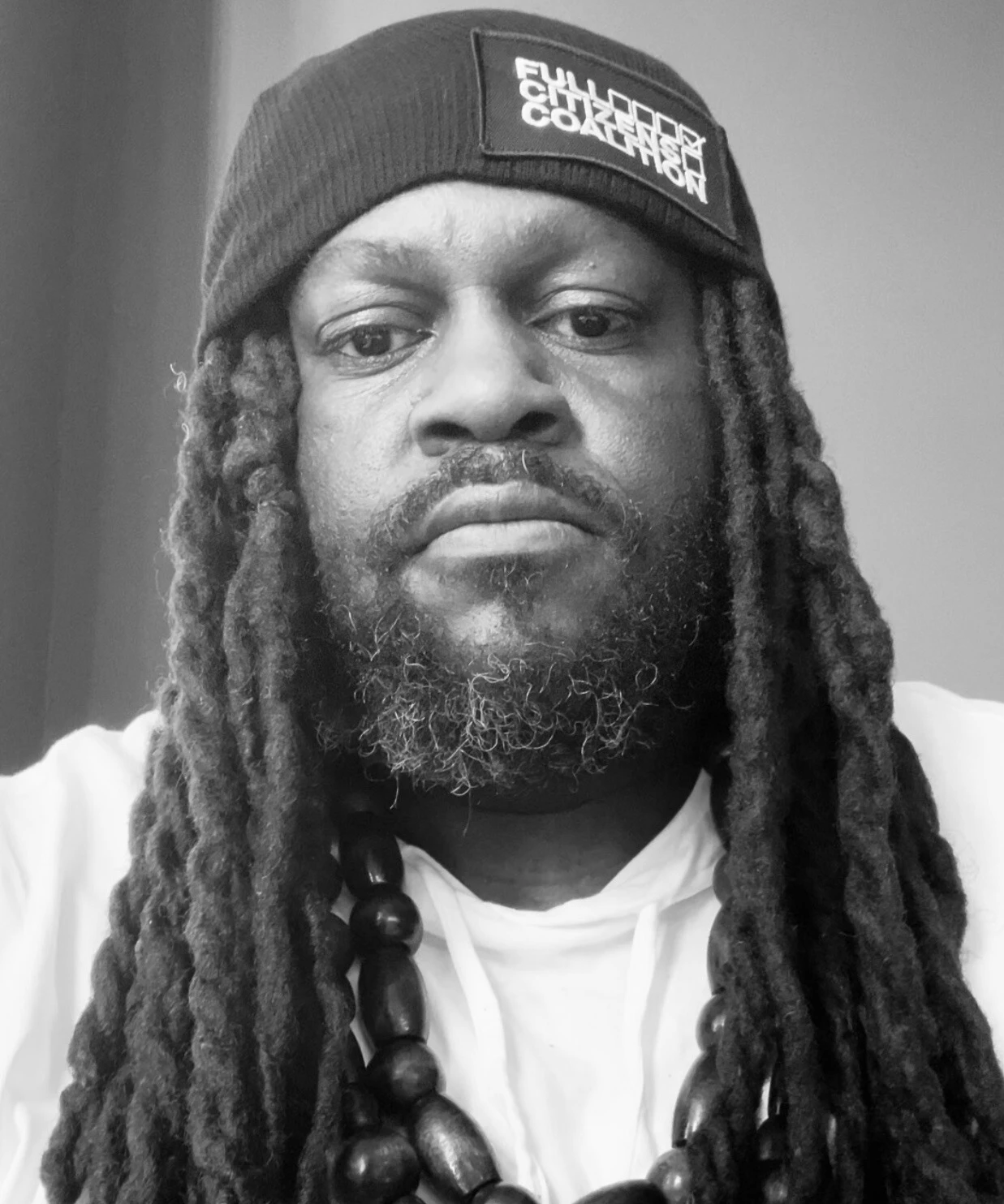
James Jeter is the Executive Director of the Full Citizens Coalition, a Connecticut-based action group focused on undoing the unjust harm caused by felony disenfranchisement. He is also the Program Director of Civic Allyship for Dwight Hall at Yale.