August 2026 Newsletter
A Goncourt of our own?
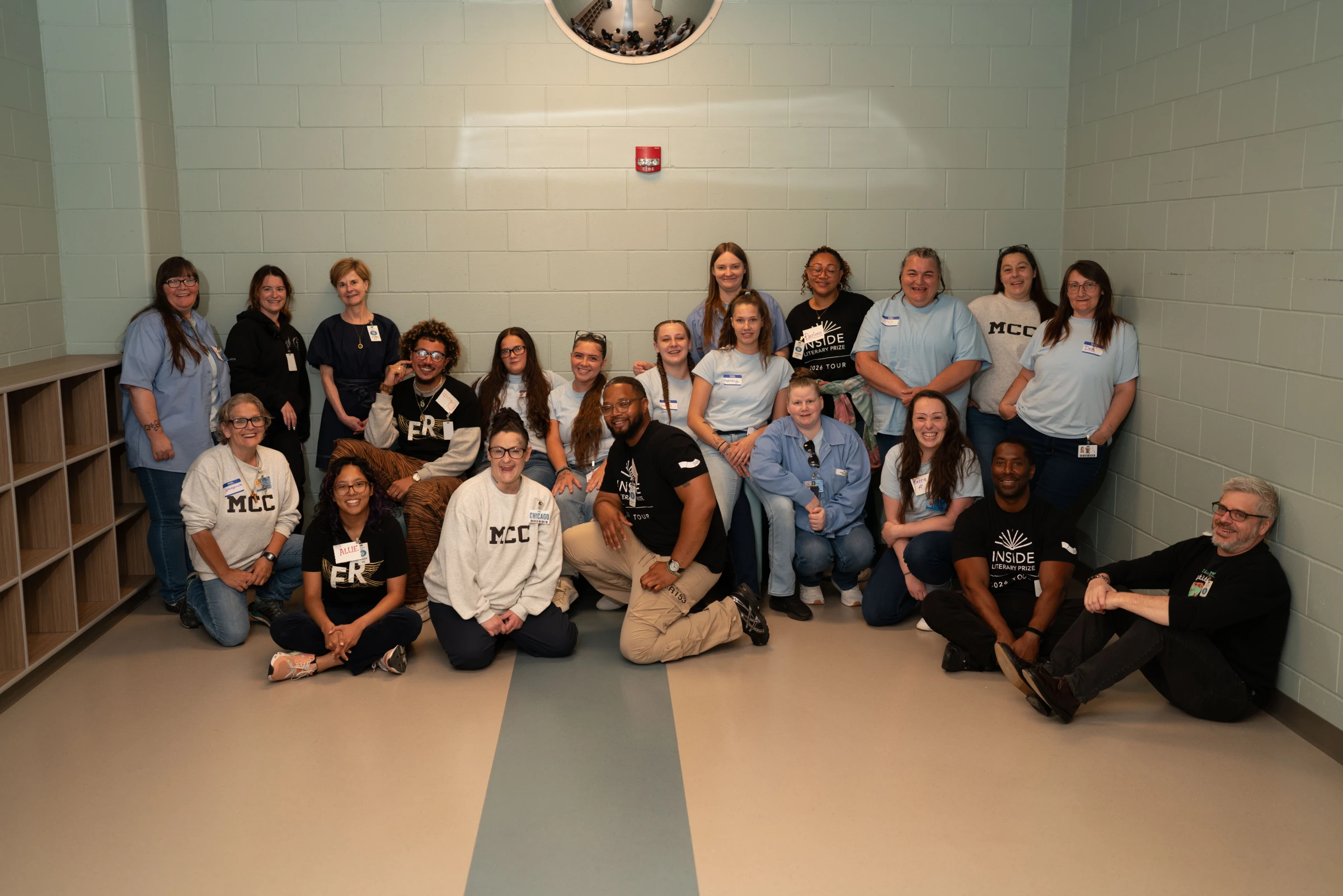
Four people emailed me in December of 2022 about France’s new Goncourt des détenus, a major literary award judged by people serving time in the country’s prisons. One person suggested it, the others were just passing on information. In my head, I demurred each time. Freedom Reads had opened only a handful of Freedom Libraries. Every day was already filled with something fantastically new, and our team was too strained to add another major project.
But truth be told, I leap toward good adventure (how many degrees do I have?) and, after three people mentioned the French book award, ideas for a Stateside version of the Goncourt were leaping unbidden into my head. But we were mad-dashing around the country with Freedom Libraries. Quiet as kept, from day one this Freedom Reads journey has been its own Field of Dreams. We opened our first Freedom Library at Massachusetts’s MCI-Norfolk four days after my forty-first birthday in 2021. Three weeks later, Wayne sent us a kite. The men on the other cellblocks had no access to the books we’d brought. He requested a Freedom Library for every cellblock in the prison. Because of Wayne’s request, we changed our mission to a Freedom Library for every cellblock.
By the fall of 2022, we were delivering dozens of Freedom Libraries to prisons throughout New York, Connecticut, and Massachusetts. And before too long, we’d return to MCI-Norfolk with eighteen more Freedom Libraries. That’s when we realized we’d return as often as necessary, with as many Freedom Libraries as needed to build that bridge to freedom.
That fall, all kinds of people gave me suggestions on what our focus should be: develop a cadre of formerly incarcerated lawyers; expand college programs in prison; publish books from people incarcerated. A friend wanted me to be an ombudsman. But Freedom Reads was busy developing what would become a 20-plus-person team that has opened nearly 700 Freedom Libraries across 16 states.
Still, those early months of 2023 had the idea of the Goncourt returning like count time. After the first rush, in quick succession, two board members, a close friend, and a strange dream brought up the prize. Months later, Natalie Green of the National Book Foundation asked me to join a small group of folks, including others from her team, people from the Center of Court Innovation, former Book Critics Circle Judge and Bookstore owner Lori Feathers, and Kevin Kempf of the Correctional Leaders Association. The question was a familiar one. “Dwayne, remember the New York Times article about the Gancourt des détenus? Would Freedom Reads be interested?”
My time in prison and our work with Freedom Reads had already proven readers were waiting. Once, we sent two dozen men Honoree Jeffers’ The Love Songs of W.E.B. DuBois months before it was released. We’d sent in hundreds of copies of books by Miriam Toews, S.A. Crosby, Richard Wright, Louise Eldrich, and Victor E. Frankl. Our team is dope folks. And we've served time in prison, have loved ones in prison, been neighbors with people who’ve been to prison, and been victims of crimes. Already we've walked in so many more prisons than I served time in. Walked into a hundred prisons across this country and admitted all the ways believing freedom begins with a book saved our lives. If the only question was, could you find excited, thoughtful, idiosyncratic judges to read five books in less time than humanly possible, I knew the answer was yes.
And the rest, as we approach our third Inside Literary Prize ceremony, is the history we’re building. And that history is robust and refreshing. That history includes Colleen, who’s been involved in the Inside Literary Prize each year from where she is incarcerated in Minnesota. And also Maria, incarcerated in New Jersey, whose insight into the books and short riff on what I’ve tried to make of my life brought me to tears. And the dozens of men and women who thanked us for walking into prisons that no one returns to. The many people who have given to us, including Bill, a former Inside Literary Prize Judge who is incarcerated in Missouri. A few weeks after his experience, he sent us a $1,000 donation. “I hope it helps you in some small way. Sorry it couldn’t have been more, but I gave everything I have at the moment.”
Each year the Freedom Reads team organizes and facilitates 300 judges deeply engaging with some of the most interesting, vibrant, sophisticatedly complex, and varied books being published today. These readers have encountered the works of Justin Torres and Imani Perry, Tess Gungy, Paul Harding, and literally a dozen others.
At last year's festival, Justin Torres talked about when we met, nearly eighteen years before that day. I know how long ago it was because my firstborn son was about to be born. Micah is now headed off to college. Back in 2007, when I met Justin, I’d just visited a prison, now we’re planning on visiting one together. Between our meeting and that trip I took alone, and all the years and the trip we’ll take together, there is the birth of both of my sons. That Justin remembers how I was shook, afraid, and nervous thinking about becoming a father, at being a father, reminds me of how close to prison I was then.
And still, I realize that back then I also understood that books were the pathway that allowed me to talk to people about their lives and my own. That’s always been the freedom that kept me buoyed, and this work of The Inside Literary Prize has let me hear many others tell me the same.
If you agree, celebrate this third year of the Inside Literary Prize with a gift to Freedom Reads. And read the winner and finalists.
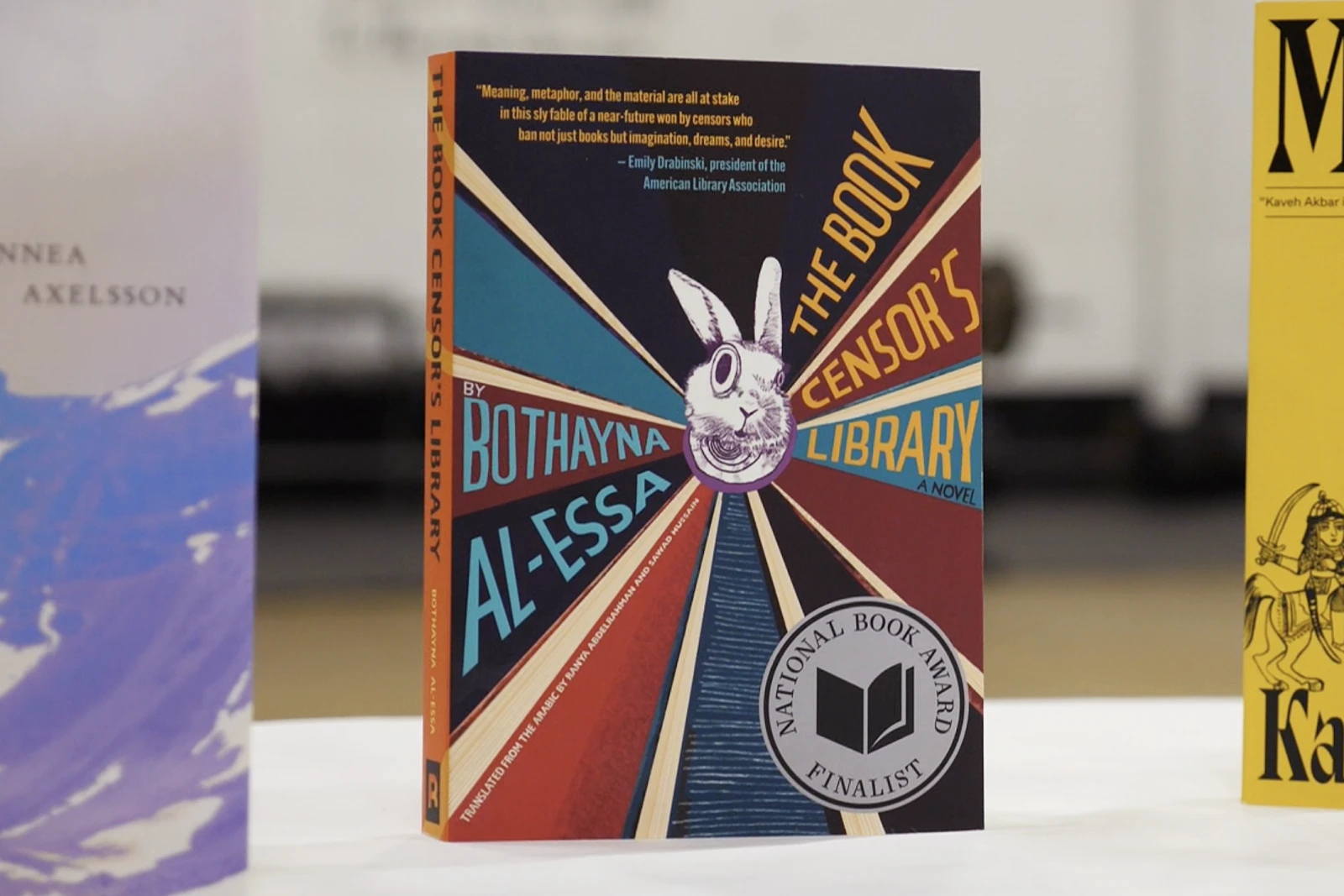
We are pleased to announce the 2026 Inside Literary Prize winner! After months of reading and deliberating, readers from prisons in Illinois, Washington, Minnesota, Maryland, Maine, and Massachusetts voted to name this year’s winner, The Book Censor’s Library by Bothanya Al-Essa, translated from the Arabic by Ranya Abdelrahman and Sawad Hussain.
Set in a dystopian future in an unspecified country, The Book Censor’s Library explores how authoritarian regimes shrink imagination by policing stories. In a labyrinth of archives, a censor begins to doubt the purpose of banning “dangerous” books, while discovering how even a single redaction can spark quiet rebellion. When language becomes both a weapon and refuge, the forbidden proves unforgettable.
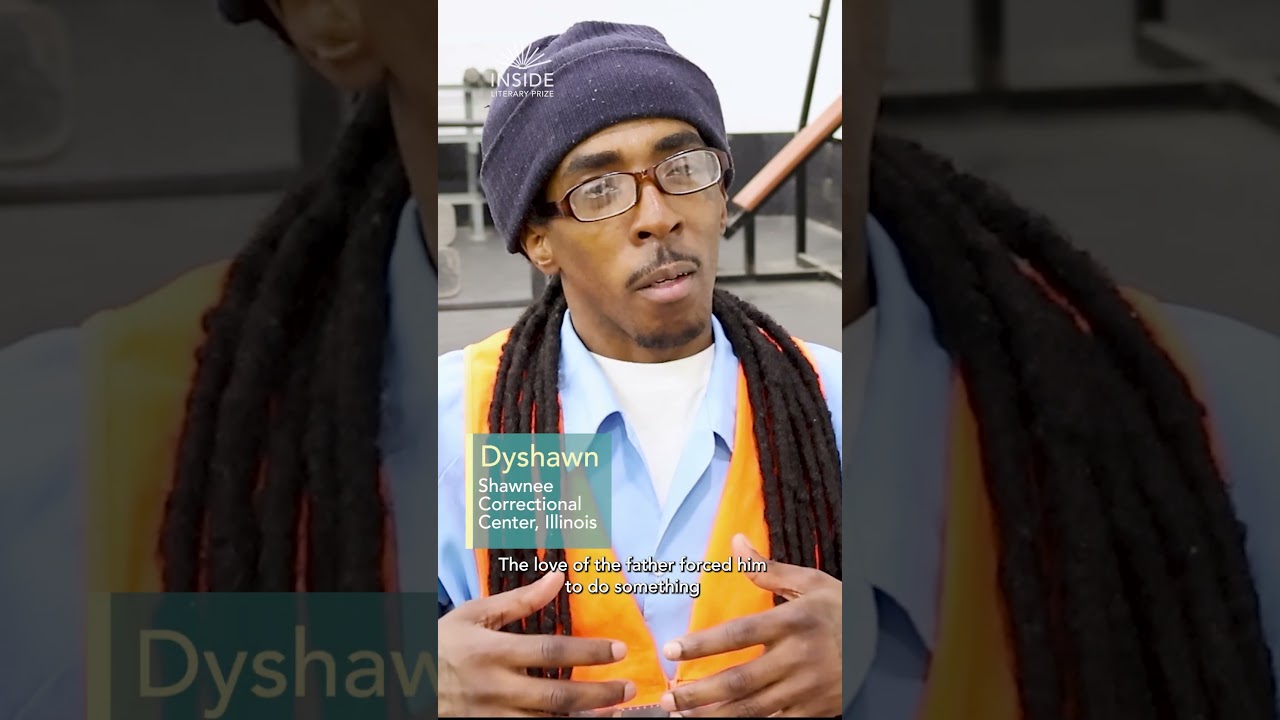
Watch the video to hear from some of this year’s Inside Literary Prize judges about what this book meant to them.
By James Davis III, Communications Associate, Freedom Reads

Prisoners judge and are judged all the time. They are no different from anyone else in that regard. What is different is that all of their judgments happen behind prison walls, which obscure the prisoner from almost everything meaningful in life. At least that is how it feels at times. Enough of the time to cause prison to make you ache for connection and meaning in the world outside. The Inside Literary Prize connects incarcerated judges to the literary world in such a meaningful way. That is the sentiment heard again and again when Freedom Reads talks to incarcerated judges from around the country.
Reggie, a judge in Minnesota, spoke about connection and growth when describing “the breathtaking experience” that came from the opportunity to be a judge for the 2026 Inside Literary Prize. His words reminded me how prison starves you of human connection. It's more than just the lack of physical connection. There is often harsh judgment for those who engage in intellectual pursuits.
It is as if the pursuit of knowledge is an attempt to separate oneself from the general prison population. The separation is really about creating distance between the past and the future. More specifically, for most prisoners, engaging in intellectual pursuits is about creating distance between past actions and future decisions. Sadly, even the thought of critical judgment hinders some from taking part in such endeavors when the opportunity to do so exists.
Being alone in prison is worse when your fellow prisoners turn away from you so the threat of that happening, even in the smallest sense, stops some from taking the first steps that lead to potentially life-changing experiences. When a prisoner does step out and take the chance by taking part in certain educational opportunities, it creates the dynamic for which, when certain opportunities are available, it can take your breath away.
Being a judge created space for incarcerated women and men, “to have normal conversations without being judged.” In prison, it is rare to have conversations about books where everyone reads the same book at the same time, as is the case with ILP judges. Talking about how characters express their thoughts and emotions opens up space to talk about your own. It provides the opportunity to learn about different ways of looking at and handling things.
Hearing from others opens the door to the changing of perspectives and opinions. When you get into certain books, it can feel like you got into a school with all the learning you do. Except you go to school with others, but that is the part that is missing so often when it comes to reading. Reading and learning in community allows for expanded growth. Thoughts travel farther in community with others and can have a longer-lasting impact.
Reggie spoke about "growing with the characters.” and that kind of growth is important given the lack of healthy social interaction in prison. Prison is a space that can make you feel like you're in a perpetual state of stagnation. It can get to the point where even the imagination is not a place of escape. Freedom Reads and the Inside Literary Prize Tour came to Minnesota and the judges brought ideas to life. Reggie had the idea, “Hey, one day this could be [me],” and that is a powerful idea indeed. Incarcerated judges take part in the Inside Literary Prize Tour and see possibilities for themselves. As Reggie said, “It gives me inspiration that I could get out and do the same."
To hear from Reggie himself, watch this video.
By Jonathan Peterson, Communications Associate, Freedom Reads
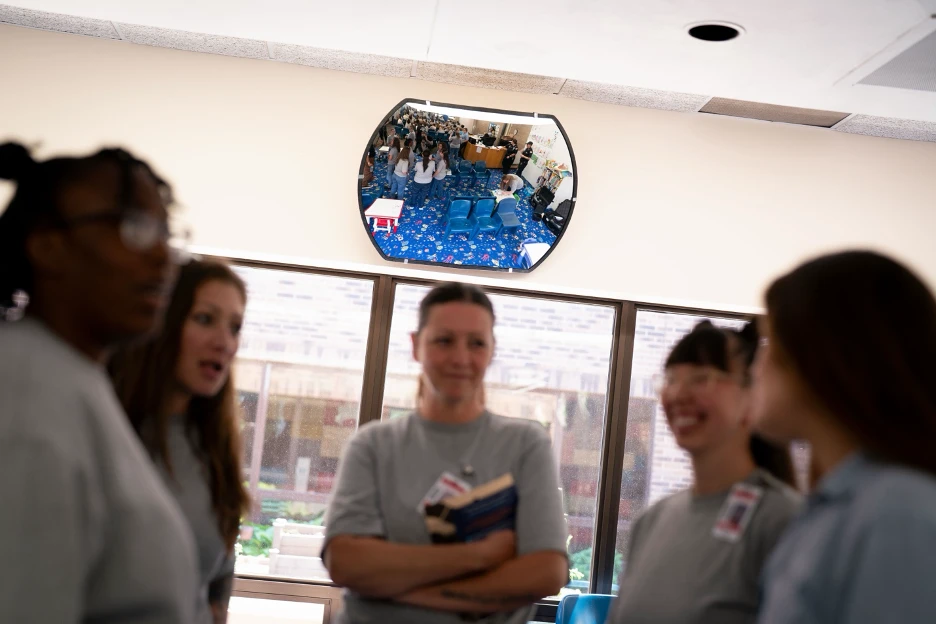
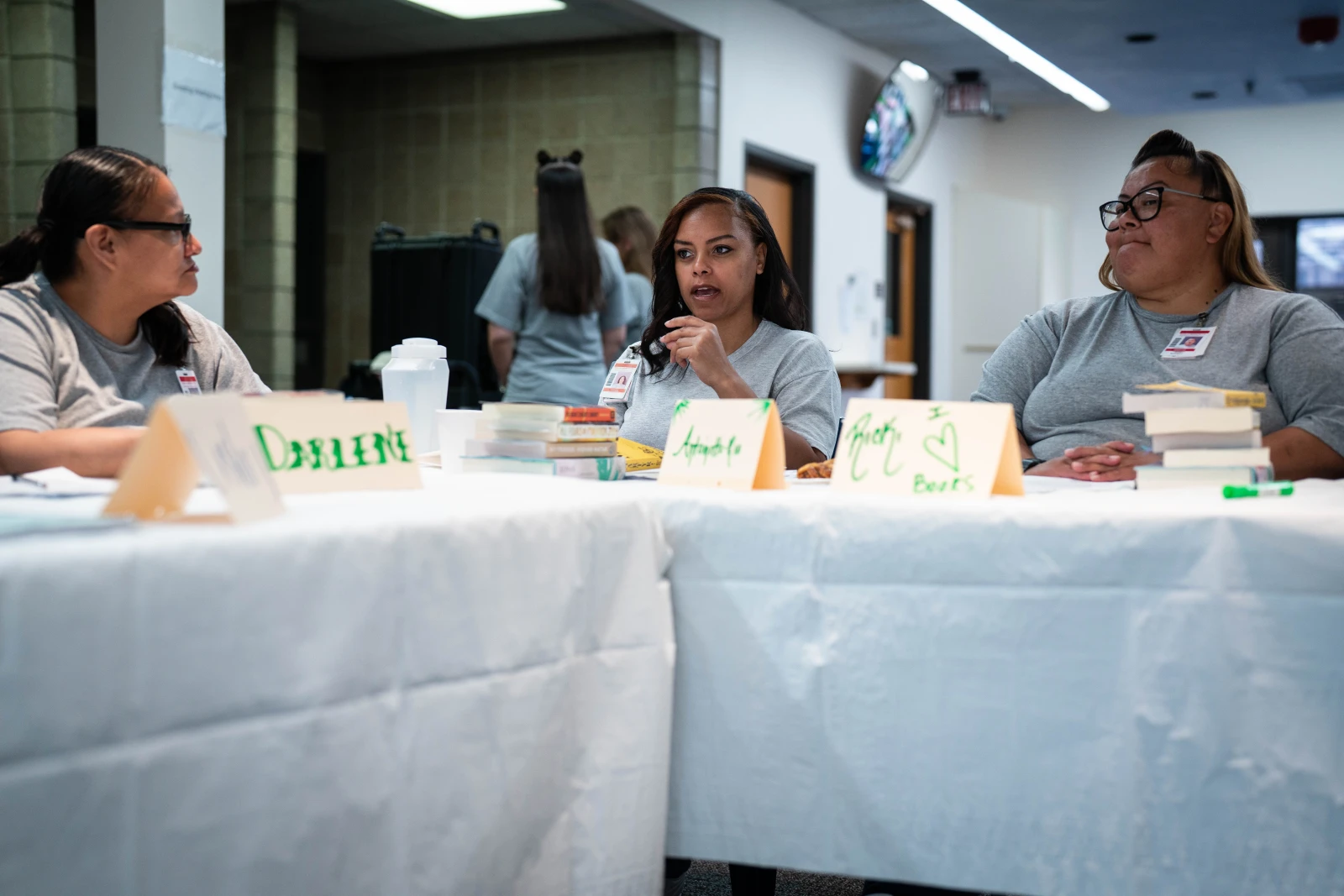
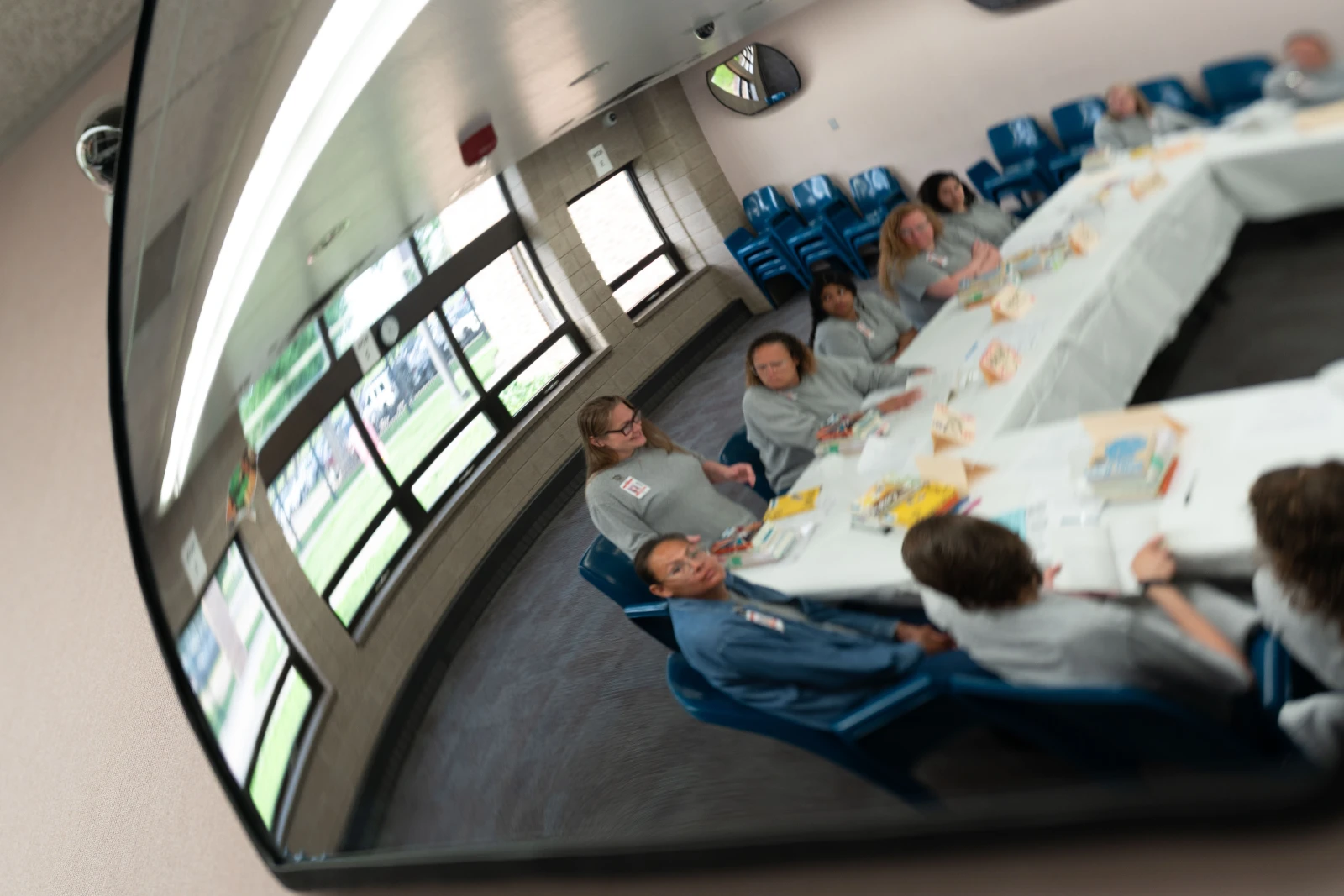
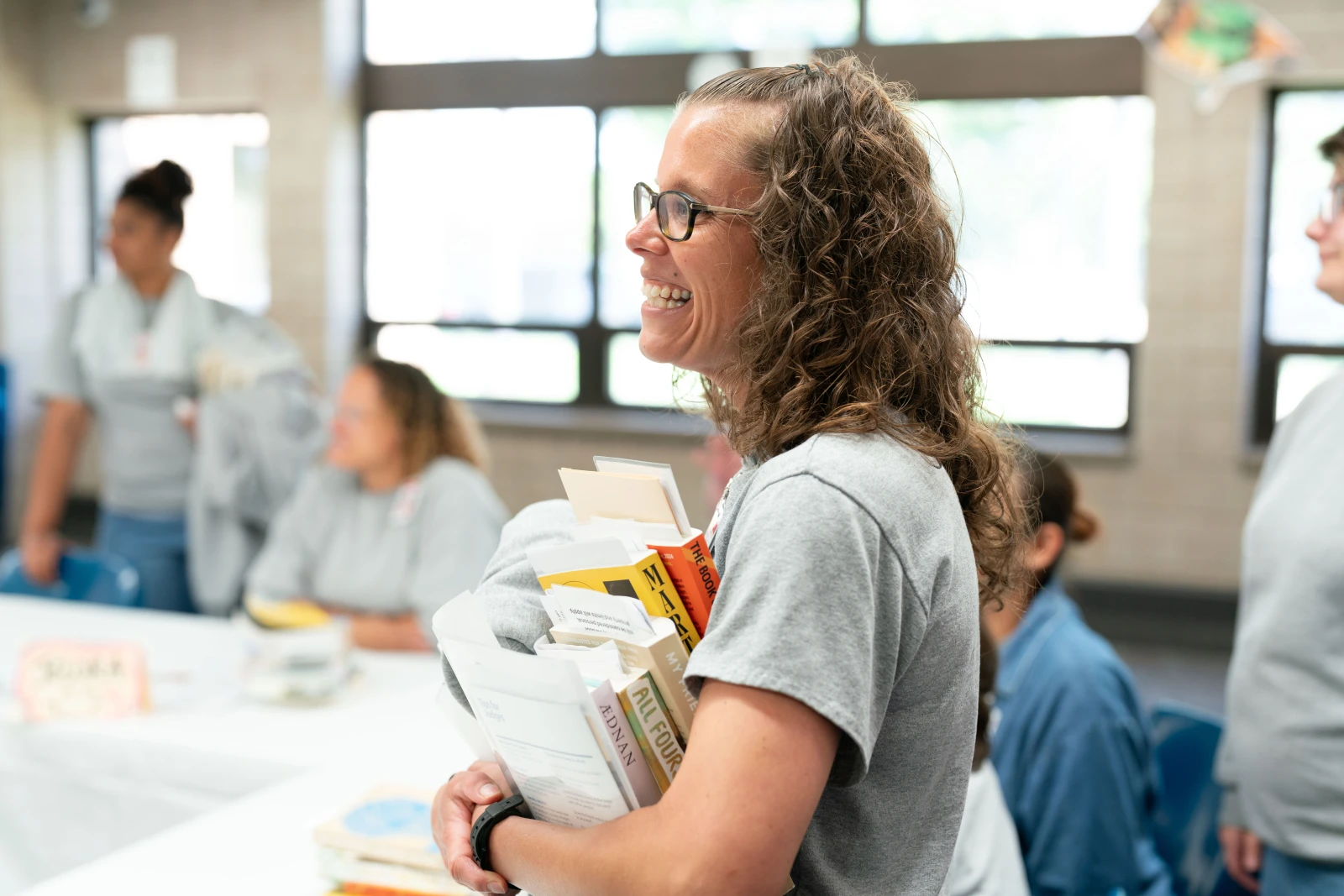
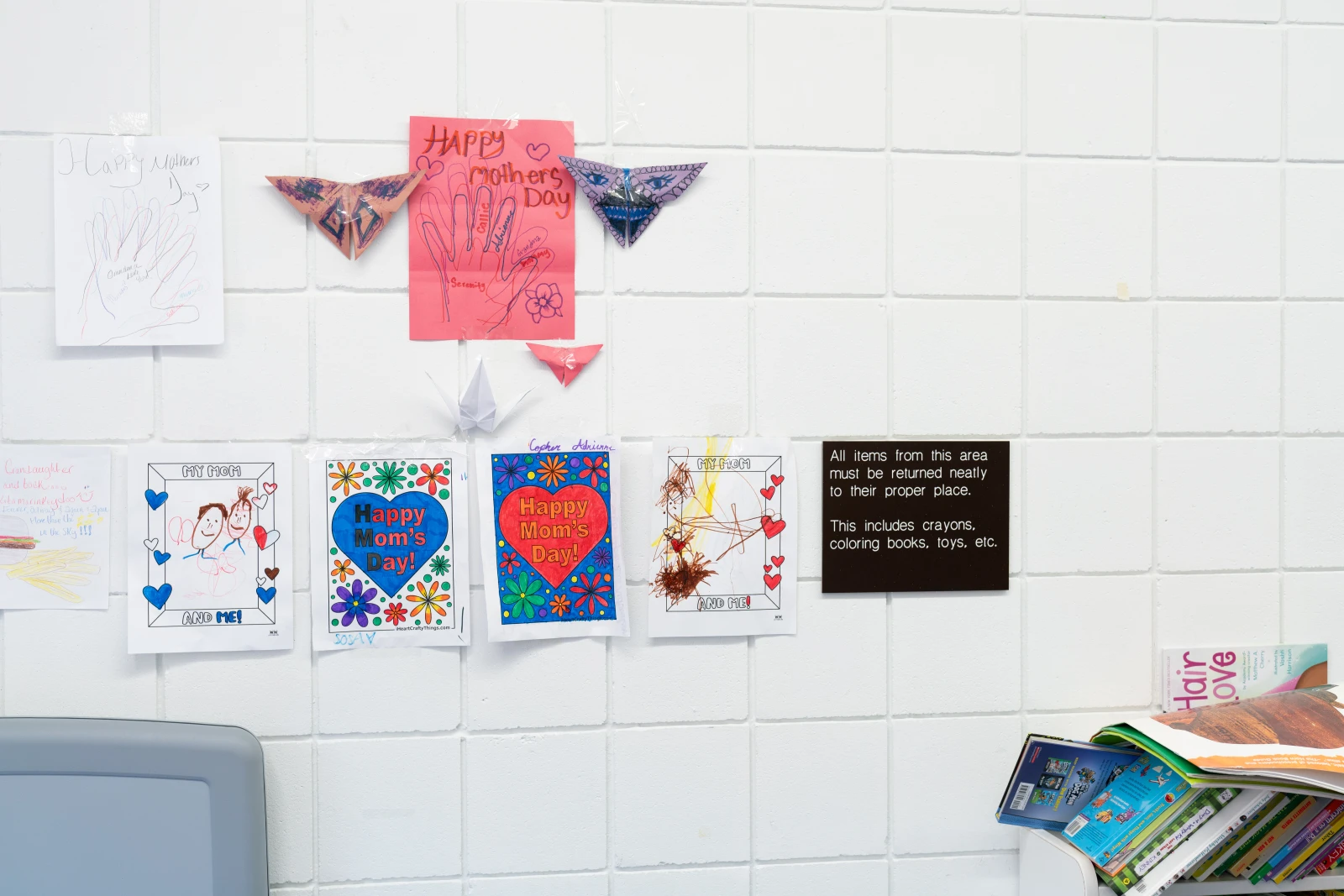
Each newsletter we aim to share at least one letter (or excerpt) from one of Freedom Reads now 65,000-plus Freedom Library patrons. Freedom Reads receives many letters from the Inside. They mean so much to us.
“We just had the Freedom Reads team here at Logan Correctional Center and I can not put into words how much a positive impact the entire team has given me personally. Every team member in the Freedom Reads team are motivated , positive people to be around. When the day comes that I get released, my goal is to join a team of people like the Freedom Reads team. Again, thank you very much for the work you and your entire team do.”
Cynthia, 2026 Inside Literary Prize judge, Logan Correctional Center, IL
“ I am happily exhausted from spending a full day with you guys. I wanted to take a few minutes to thank David, Allie, and all of you for allowing me the privilege of participating in the ILP. It is such a rare opportunity for incarcerated individuals to have an influence and an impact on something so important. I hope to be able to continue making a meaningful contribution to Freedom Reads!"
Marni, 2026 Inside Literary Prize judge, Logan Correctional Center, IL